DESMA Center Hadir sebagai Pemakalah pada Rapat Koordinasi Pengembangan Desa Wisata di DSP Borobudur Kementerian Pariwisata dan Ekonomi Kreatif
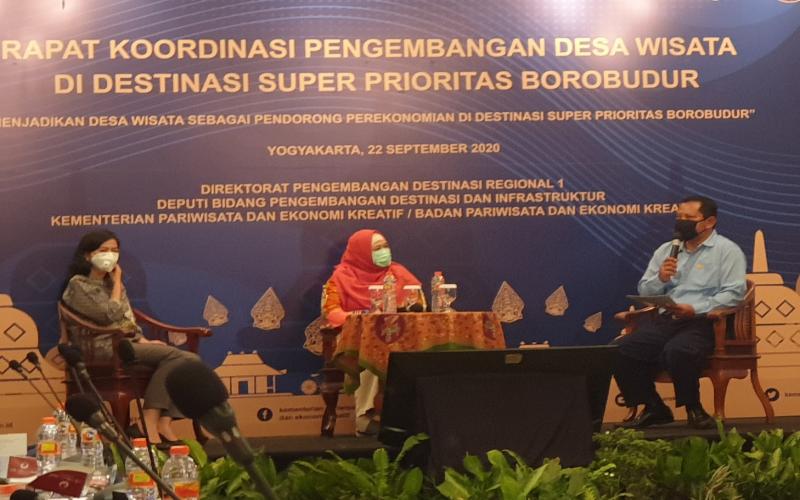
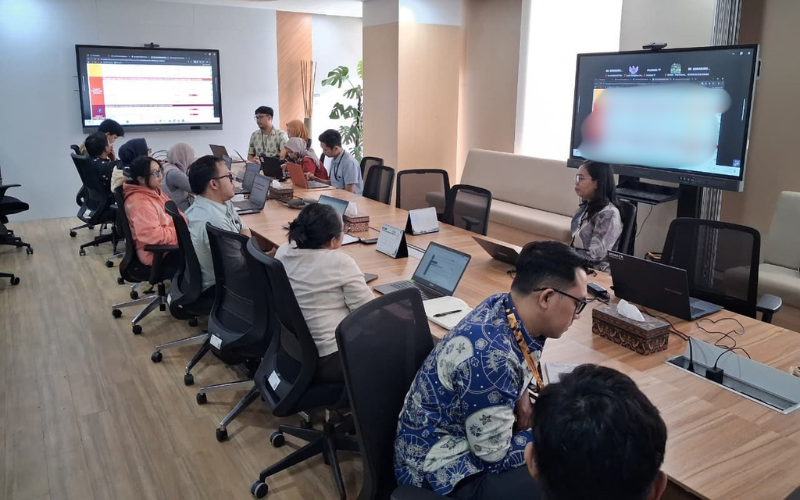
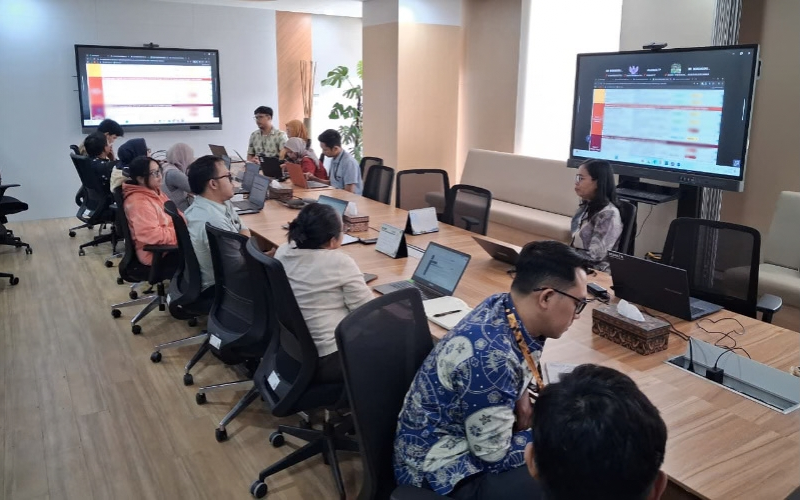
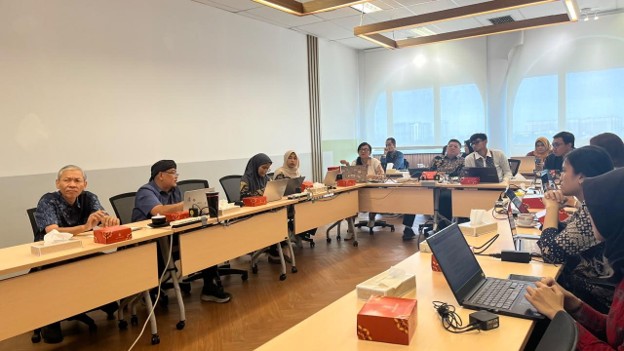
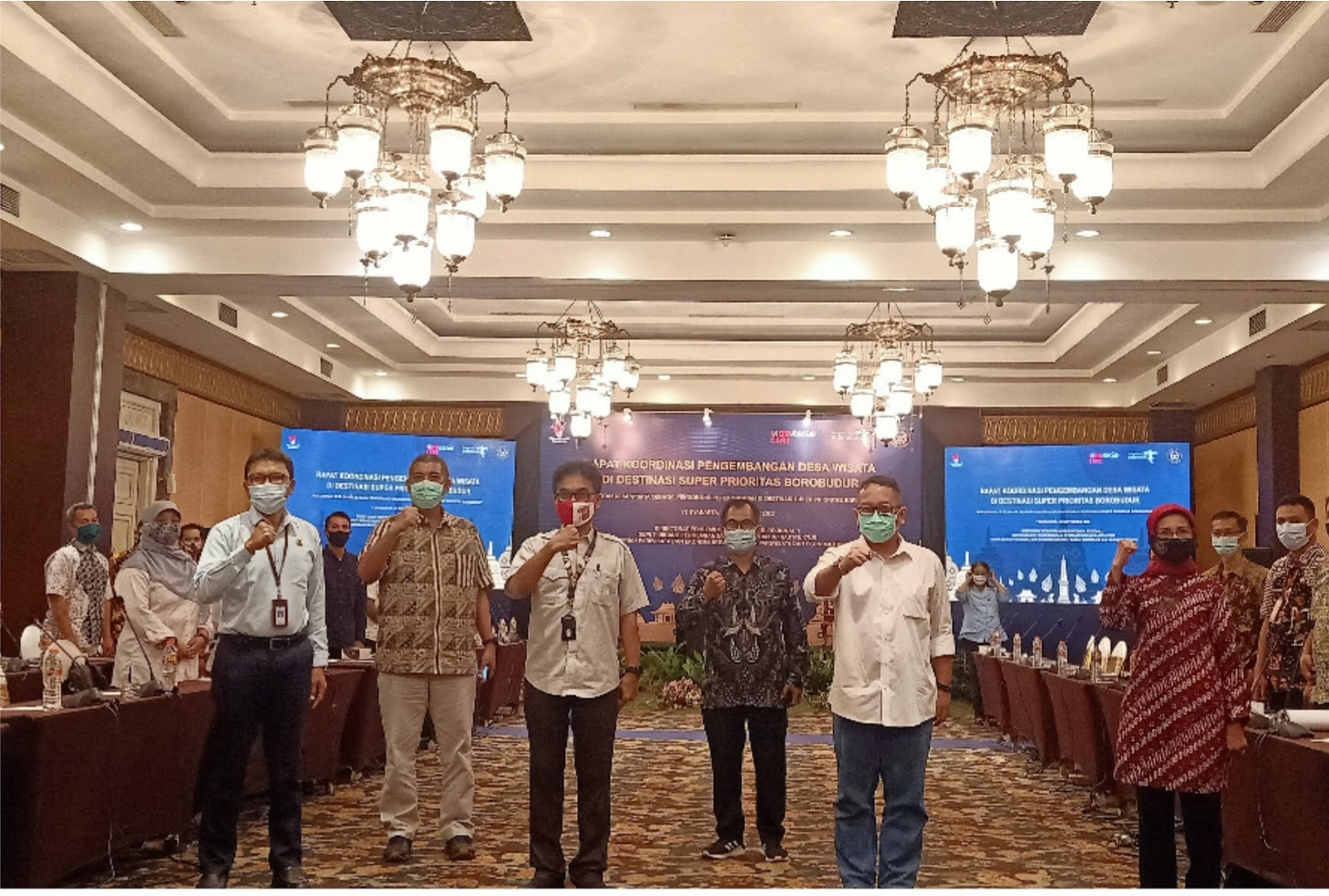
Direktorat Pengembangan Destinasi Pariwisata Regional I, Kementerian Pariwisata dan Ekonomi Kreatif mengadakan rapat koordinasi Pengembangan Desa Wisata di Destinasi Super Prioritas (DSP) Borobudur pada Selasa, 22 September 2020 di Yogyakarta.
Hadir menyampaikan sambutan dan arahan Direktur Pengembangan Destinasi Regional I Bapak Ir. Oni Yulifian, MBTM; serta Deputi Bidang Pengembangan Destinasi dan Infrastruktur Dr. Ir. Hari Santosa Sungkari M.H.
Nara sumber yang hadir pada Rapat Koordinasi pengembangan desa wisata di DSP Borobudur ini adalah Sekretaris Deputi Bidang Pengembangan Destinasi dan Infrastruktur Ibu Oneng Setya Harini, MM; Kepala Dinas Kebudayaan dan Pariwisata Daerah Istimewa Yogyakarta Bapak Singgih Raharjo, SH., M.Ed; Kepala Dinas Pariwisata Jawa Tengah Bapak Drs. Sinoeng Noegroho Rachmadi, MM; Peneliti Senior P2Par ITB Ibu Yani Adriani dan Founder & Direktur DESMA Center Wiwik Mahdayani.
Peserta yang mengikuti rakor ini merupakan perwakilan dari Dispar Kab. Magelang, Dispar Kab. Purworejo, Dispar Kab. Kulonprogo, Dispar Kab. Bantul, Dispar Kab. Gunungkidul, Dispar Kab. Sleman, dan Perwakilan Pengelola 12 Desa Wisata di kawasan DSP Borobudur, Badan Otorita Borobudur (BOB), Dispar Jateng dan Dispar DIY.
Ibu yani Andriani dari P2Par ITB membawakan makalah Community-based Tourism dan rencana Kegiatan Pengembangan desa wisata di DSP Borobudur. Ibu Wiwik Mahdayani Founder & Director DESMA Center membawakan makalah Pengembangan Desa Wisata sebagai Pendorong Perekonomian di DSP Borobudur.
Dalam pemaparannya, Ibu Wiwik Mahdayani DESMA Center menyatakan bahwa desa dengan potensi wisata di Indonesia prospektif untuk menggerakkan perekonomian rakyat. Pada banyak destinasi, pariwisata telah memberikan penghidupan bagi banyak masyarakat perdesaan. Ibu Wiwik mengajak pengelola desa wisata untuk terus menggali keunikan potensi alam, budaya dan buatan yang memberikan potensi menperpanjang lama tinggal wisatawan. Selain itu, desa wisata memiliki keunggulan masing-masing, yang dapat memberikan peluang sebagai sumber ekonomi masyarakat. Desa wisata juga memberikan peluang untuk mempertahankan warisan alam dan budaya yang unik, mendukung tujuan konservasi, termasuk melindungi spesies yang terancam punah, tradisi maupun ritual yang hilang. Selain itu, penting untuk mempertahankan ciri khas atau keunikan yang berpotensi sebagai sumber daya untuk keluar dari persaingan harga, yang dapat memberikan dampak buruk bagi kelangsungan destinasi wisata berupa desa.
Ibu Wiwik Mahdayani juga menuturkan tantangan dalam pengembangan desa wisata seperti sumber daya sebagai atraksi wisata, stakeholder kunci sebagai pengelola, kelembagaan, produk dan jasa yang berkualitas, akses ke pasar-pasar utama, kemitraan dengan stakesholder terkait, dukungan pemerintah tingkat Desa, Dinas Pariwisata Kabupaten, Provinsi hingga ke Pemerintah Pusat berupa kebijakan dan program untuk mendukung Pengembangan desa wisata yang kondusif.
Oleh karena itu, menurut Ibu Wiwik Mahdayani, perlu tata kelola desa wisata untuk memfasilitasi kegiatan pariwisata dengan lebih baik, pemerintahan yang baik (good governance) di tingkat desa dan sinergitas memperkuat SDM desa wisata untuk mengembangakn dan mengelola desa wisatanya secara lebih professional.
Copyrights foto: Hilda Ansariah Sabri/bisniswisata