Validation Workshop Enhancing co-benefits of conservation area management through an inclusive wildlife-based ecotourism strategy (WILDLIFE ECOTOURISM)
Penulis dan visual: Communication Unit
Project Preparation Grant (PPG) merupakan mekanisme pendanaan yang digunakan United Nations Development Programme (UNDP) untuk menyusun dan mempersiapkan proyek-proyek pembangunan berkelanjutan yang komprehensif, didanai oleh Global Environment Facility (GEF). PPG berfokus pada proyek-proyek lingkungan, ketahanan pangan, perubahan iklim, dan pembangunan yang inklusif. GEF adalah lembaga pendanaan internasional yang membiayai proyek-proyek lingkungan global. Salah satunya adalah proyek “Enhancing co-benefits of conservation area management through an inclusive wildlife-based ecotourism strategy (WILDLIFE ECOTOURISM)” yang didanai dengan mekanisme Global Biodiversity Framework Fund (GBFF).
Proyek ini bekerja sama dengan pemerintah Indonesia, dalam hal ini Kementerian Kehutanan, Direktorat Jenderal Konservasi Sumber Daya Alam dan Ekosistem (KSDAE), khususnya Direktorat Pemanfaatan Jasa Lingkungan, untuk meningkatkan efektivitas pengelolaan kawasan konservasi dan menjawab tantangan-tantangan pengembangan melalui ekowisata berbasis hidupan liar (Wildlife-Based Ecotourism).
Proyek ini akan berlangsung selama 5 (lima) tahun di 5 (lima) lokasi yaitu Taman Nasional Way Kambas, Taman Nasional Tanjung Puting, Taman Nasional Wakatobi, Taman Nasional Baluran dan Taman Nasional Alas Purwo.
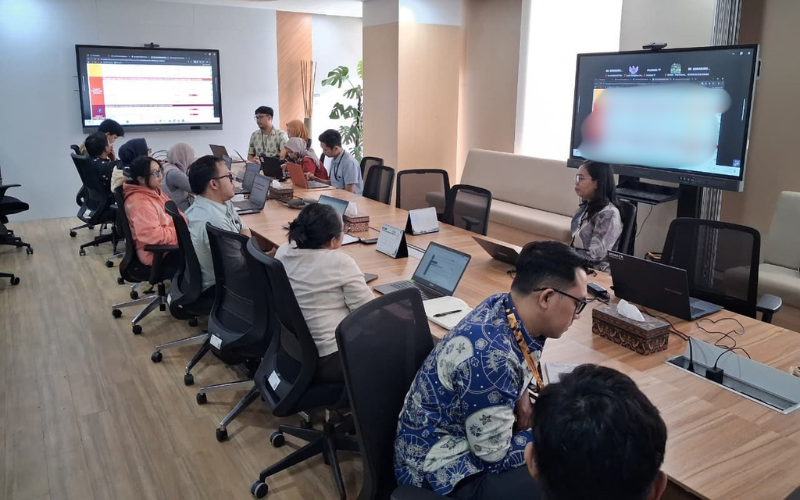
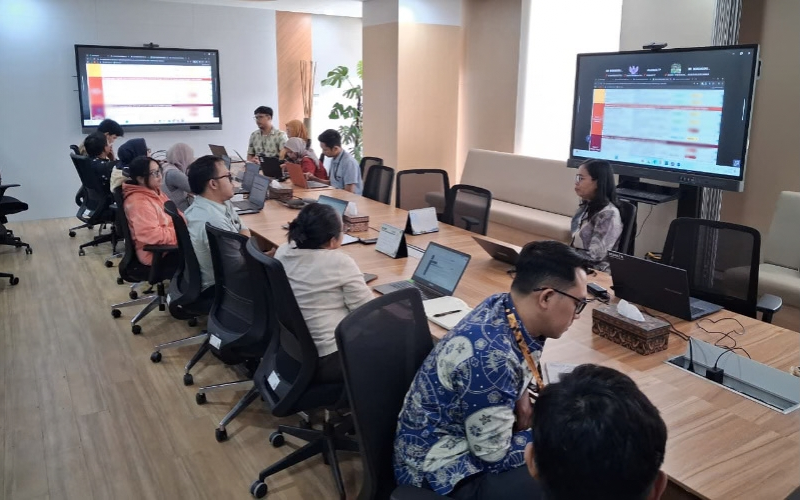
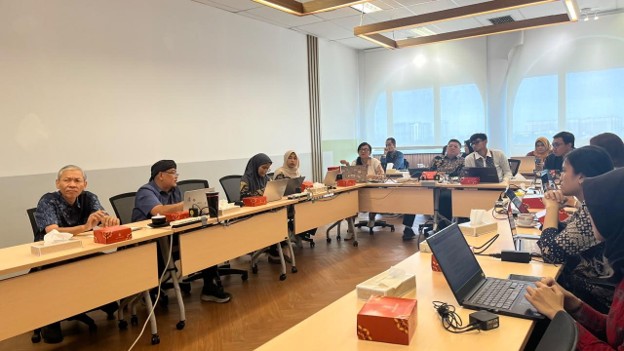
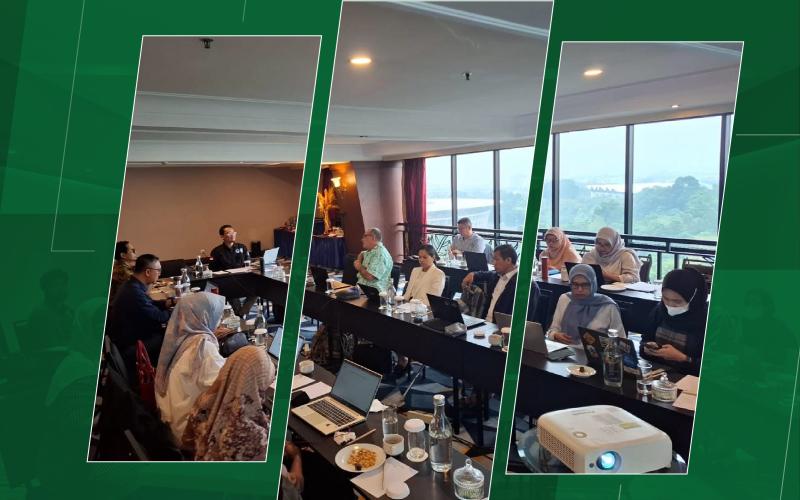
Dalam menyusun dan mempersiapkan proyek ini, PPG team yang terdiri dari tim internasional dan nasional bekerja sama untuk UNDP dan pemerintah Indonesia, melakukan validation workshop yang dilaksanakan pada 16-17 April 2025 di Jakarta, dengan dihadiri Kementerian/Lembaga terkait, akademisi, NGO, UNDP dan tim konsultan.
Validation workshop ini merupakan puncak kegiatan setelah sebelumnya dilakukan rangkaian workshop, assessment visits dan seri pertemuan konsultasi yang diselenggarakan sejak Januari hingga Maret 2025.
Hadir pada sesi pembuka, GEF Operational Focal Point (OFP) Ibu Laksmi Dewanthi dan Dirjen Konservasi Sumber Daya Alam dan Ekosistem yang diwakili oleh Direktur Pemanfaatan Jasa Lingkungan Bapak Nandang Prihadi. Rangkaian presentasi substansi proyek yang terdiri dari Situasi terkini dan profil 5 (lima) taman nasional yang menjadi lokus proyek, Project Results Framework, Isu Gender, stakeholder engagement dan Safeguarding; serta diskusi dipandu Tim konsultan yang terdiri dari para expert: Mikhail Plastyn, Ph.D., Wiwik Mahdayani, Emay Fajardo, Hanom Bashari dan Agatia Wenny.
Validation Workshop ini diselenggarakan sebagai sarana untuk menyatukan persepsi dan pemahaman seluruh pihak terkait mengenai arah, tujuan, serta rencana pelaksanaan proyek. Dalam kesempatan ini, para peserta juga diajak untuk memberikan masukan, menyepakati jadwal pelaksanaan dan tahapan kerja selanjutnya secara terstruktur dan partisipatif. Proyek ini dirancang sebagai langkah strategis untuk menyelaraskan kebutuhan konservasi sumber daya alam, khususnya hidupan liar, dengan tujuan pembangunan sosial ekonomi masyarakat sekitar kawasan melalui pendekatan ekowisata yang berkelanjutan.
Dengan mengedepankan kolaborasi lintas sektor, memperkuat sinergi antar pemangku kepentingan, serta menjunjung tinggi kearifan dan nilai-nilai lokal, proyek ini diharapkan menjadi model percontohan yang efektif. Salah satu tujuannya adalah sebagai pengarusutamaan konservasi sebagai fondasi dalam mendorong pengembangan ekowisata dan pembangunan yang berkelanjutan.
Kawasan hutan konservasi seluas kurang lebih 27 juta hektar di Indonesia dengan kekayaan dan keindahan alam, menjadi sumber daya dalam mengembangkan Wildlife-Based Ecotourism. Ini merupakan bentuk ekowisata yang berfokus pada pengalaman wisata berbasis hidupan liar, termasuk perlindungan satwa di habitat aslinya. Sumber daya ekowisata terdapat di berbagai taman nasional, yang menjadi rumah bagi berbagai spesies kunci, endemik dan langka.
Ekowisata merupakan salah satu penerapan prinsip pariwisata berkelanjutan; menjadi salah satu solusi yang relevan terhadap pemanfaatan berlebihan pada sumber daya alam, meningkatnya jejak karbon, serta penurunan kualitas ekosistem di kawasan konservasi akibat tingginya jumlah wisatawan yang melebihi kapasitas daya dukung lingkungan.
Ekowisata menyeimbangkan kepentingan ekonomi, pelestarian lingkungan, dan kesejahteraan masyarakat lokal. Dengan pendekatan dimana wisatawan, pelaku usaha, masyarakat dan pemerintah bekerja sama untuk memastikan praktik pengembangan pariwisata dan perjalanan yang lebih ramah lingkungan.
Pengembangan Wildlife-Based Ecotourism tidak hanya memberikan pengalaman wisata yang edukatif bagi pengunjung, tetapi juga menjadi sumber pendanaan untuk pelestarian. Dengan memastikan sebagian pendapatan dari ekowisata digunakan untuk pelestarian ekosistem, pemantauan satwa liar, dan pemberdayaan masyarakat lokal; konsep ini menjadi solusi bagi keberlangsungan pelestarian serta perekonomian masyarakat sekitar serta pendapatan negara.
DESMA Center mendukung strategi pengembangan ekowisata utamanya wildlife-based ecotourism yang berkelanjutan melalui penyusunan kebijakan, pelatihan dan peningkatan kapasitas SDM, serta riset berbasis data untuk memastikan bahwa ekowisata di Indonesia dapat berkembang secara berkelanjutan, inklusif, dan berdampak positif bagi lingkungan serta masyarakat lokal. DESMA Center, sebagai salah satu expert team PPG untuk UNDP dalam membantu pemerintah Indonesia mempersiapkan dan penyusunan project “Enhancing co-benefits of conservation area management through an inclusive wildlife-based ecotourism strategy (WILDLIFE ECOTOURISM)” ini.