Seri Workshop Mengembangkan Kemampuan Bernegosiasi dan Membangun Kemitraan SMK Pariwisata dan Dunia Industri Pariwisata
Penulis: Adrianus Ubas, Programme Officer Field Office Sumba
Editor: Firra Kholisha Mustika, Communication
Sekolah Menengah Kejuruan (SMK) membutuhkan kerja sama dengan dunia usaha dan dunia industri (DUDI). SMK adalah lembaga pendidikan kejuruan yang diselenggarakan untuk mempersiapkan siswa agar memiliki kompetensi sesuai dengan kebutuhan industri, bertujuan mereka siap memasuki lapangan kerja dan mengembangkan sikap profesional dalam bidang tertentu. Untuk membangun kerja sama dan kemitraan serta sumber daya manusia, pihak SMK harus memiliki kemampuan bernegosiasi agar dapat menghasilkan kesepakatan-kesepakatan yang saling menguntungkan bagi kedua belah pihak.
Kemampuan bernegosiasi merupakan soft skill yang sangat penting dan dibutuhkan oleh semua pihak dalam membangun, menjalin, dan mengembangkan kemitraan jangka panjang. Proses negosiasi yang baik dilakukan dengan cara bertatap muka atau bertemu secara langsung. Proses ini memperhatikan (1) attitude, penggunaan bahasa atau kosa kata dalam berbicara; (2) intonasi bicara; (3) gesture atau bahasa tubuh. Proses negosiasi yang baik ditentukan oleh pemahaman dan pengetahuan terkait pihak yang diajak berkomunikasi.
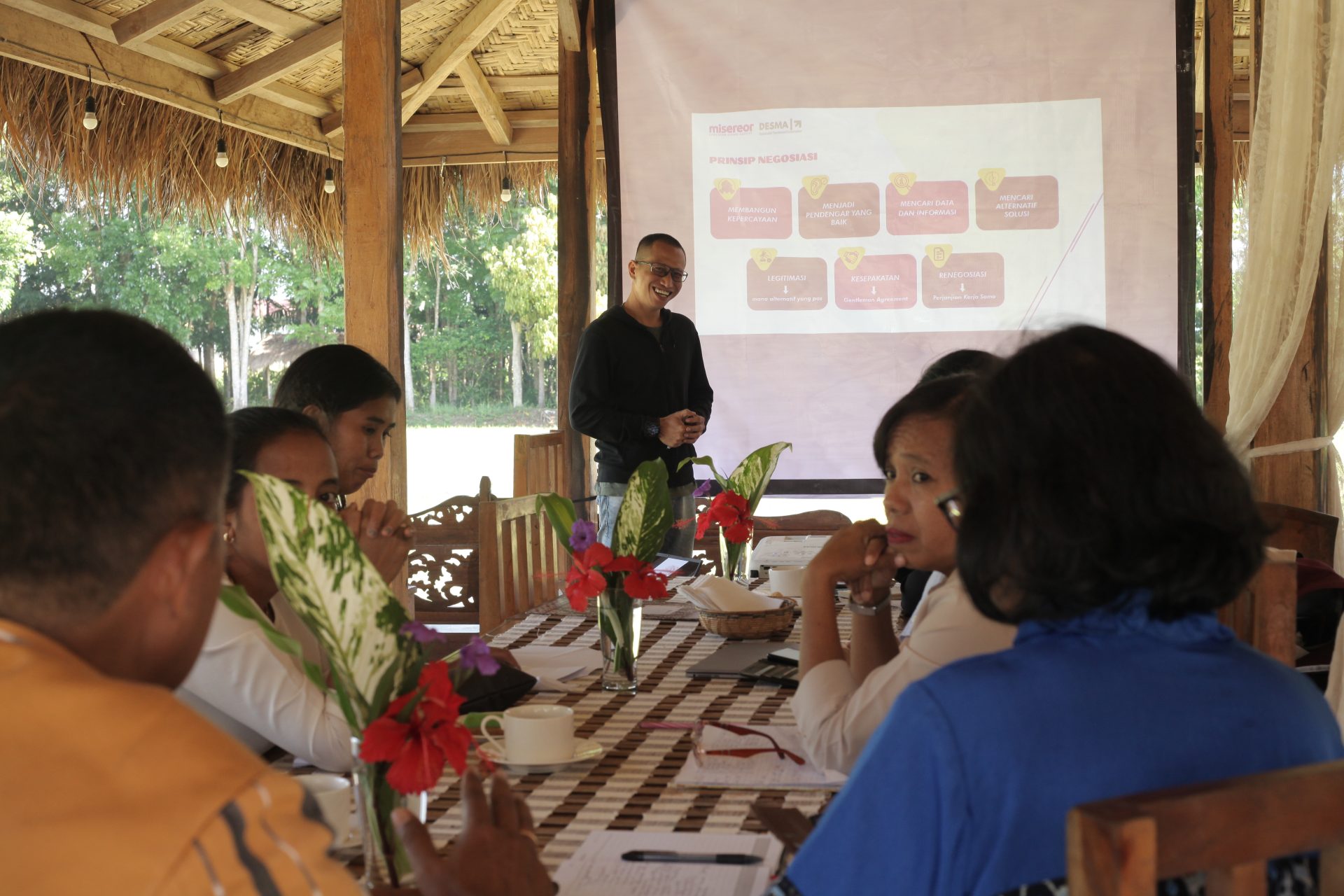
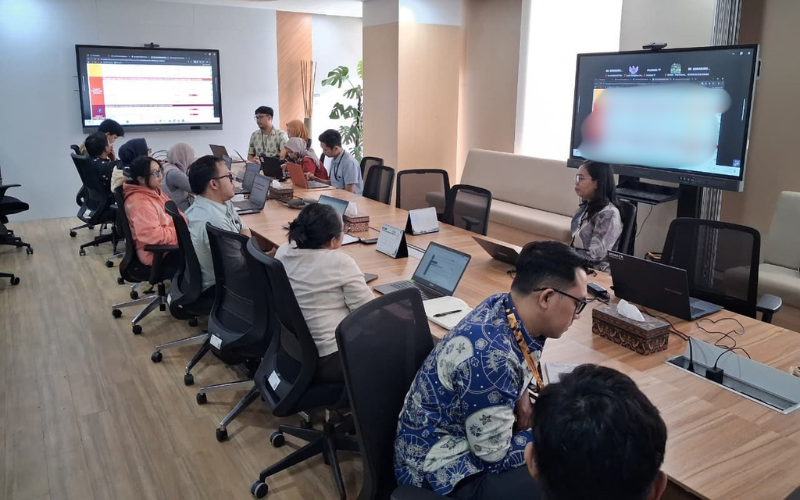
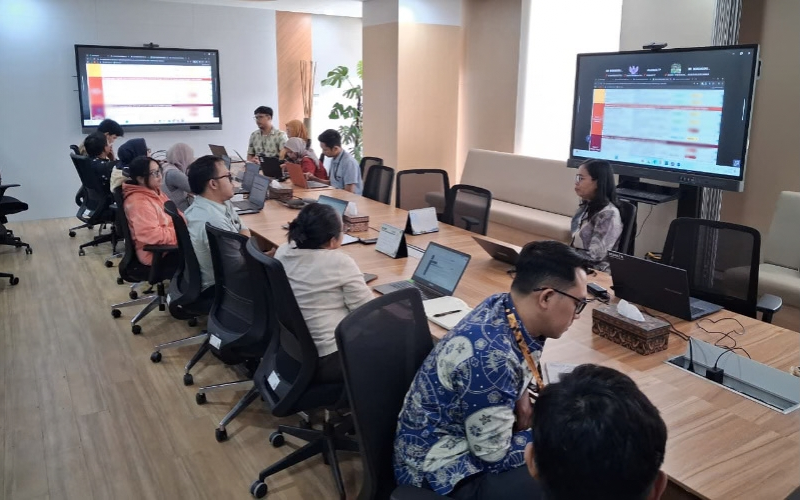
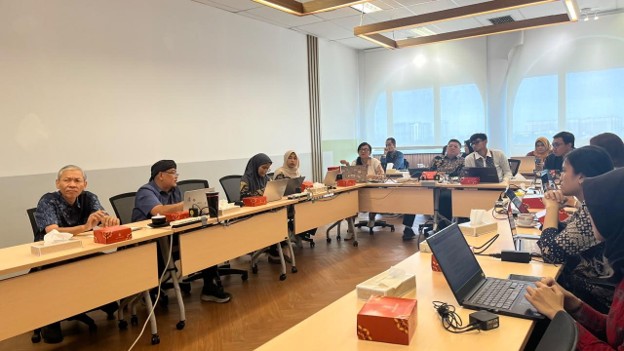
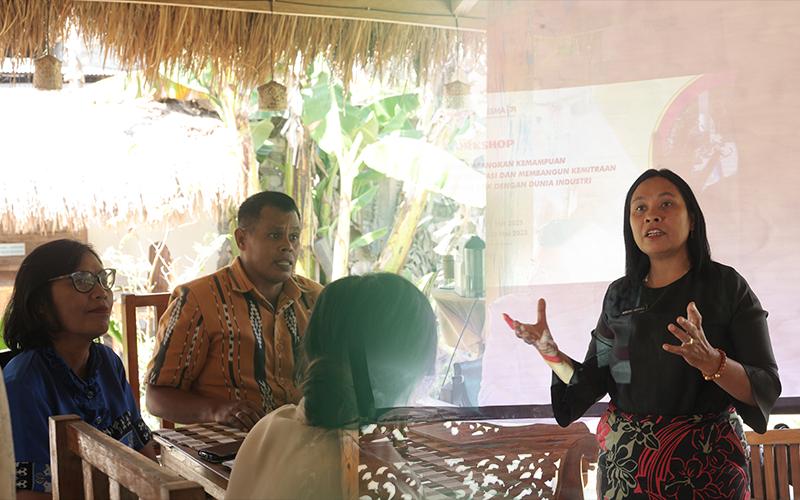
Menyadari betapa penting dan mendesaknya bagaimana bernegosiasi dan menjalin kerja sama, DESMA Center menyelenggarakan workshop pada tanggal 20 Mei 2023 di Neru Loko, Waikabubak dengan tema Mengembangkan Kemampuan Bernegosiasi dan Membangun Kemitraan antara SMK dan Dunia Industri.
Workshop ini diikuti oleh kepala sekolah dan guru-guru sekolah dampingan DESMA Center yaitu SMKN 1 Waikabubak dan SMKS Efata Omba Rade. Perwakilan peserta dipilih oleh pihak manajemen sekolah yang akan mewakili sekolah menjadi negosiator dengan berbagai pihak. Turut hadir Ibu Adriana M.D. Ngongo, S.Pd., M.Pd.K., Koordinator Pengawas (korwas) SMA/SMK/SLB Prov. NTT – Kabupaten Sumba Barat, kepala sekolah dan sekretaris jurusan Usaha Perjalanan Wisata (UPW) dari SMKN 2 Lamboya.
Pemateri pada kegiatan ini adalah Bapak Boyke Hutapea, B.S., M.B.A., Program Manager DESMA Center – Field Office Sumba. Kegiatan ini dibagi menjadi tiga sesi. Sesi pertama, penyampaian materi yang diantaranya tujuan negosiasi, prinsip-prinsip dan tipe-tipe negosiator yang akan ditemui.
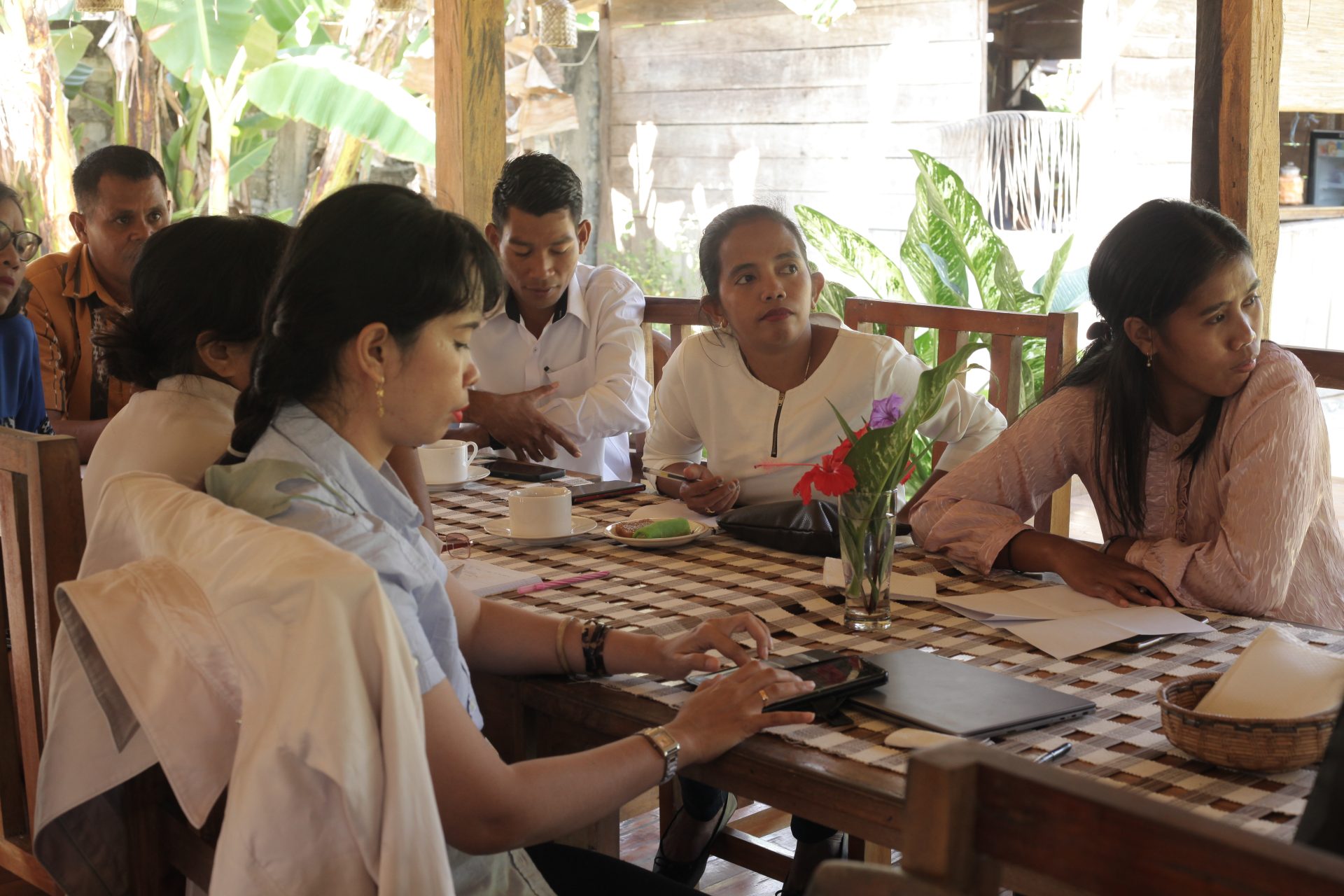
Sesi kedua, pemateri mengajak masing-masing sekolah saling berbagi pengalaman bernegosiasi dan membangun kerja sama kemitraan dengan pihak industri, baik pengalaman berhasil maupun pengalaman kegagalan. Melalui sharing ini, peserta didorong untuk mengidentifikasi permasalahan yang berdampak pada keberhasilan atau kegagalan.
Sekolah sering mengalami kegagalan menjalin relasi atau putus kerja sama sekolah dengan industri karena lemahnya kesepakatan yang dibangun. Oleh karena itu, DESMA Center mendorong salah satunya negosiasi yang sudah disepakati bersama oleh dua belah pihak dibuat dalam bentuk perjanjian tertulis, dengan tujuan tidak ada keraguan serta periode kerja sama dapat berlangsung sesuai perjanjian tertulis.
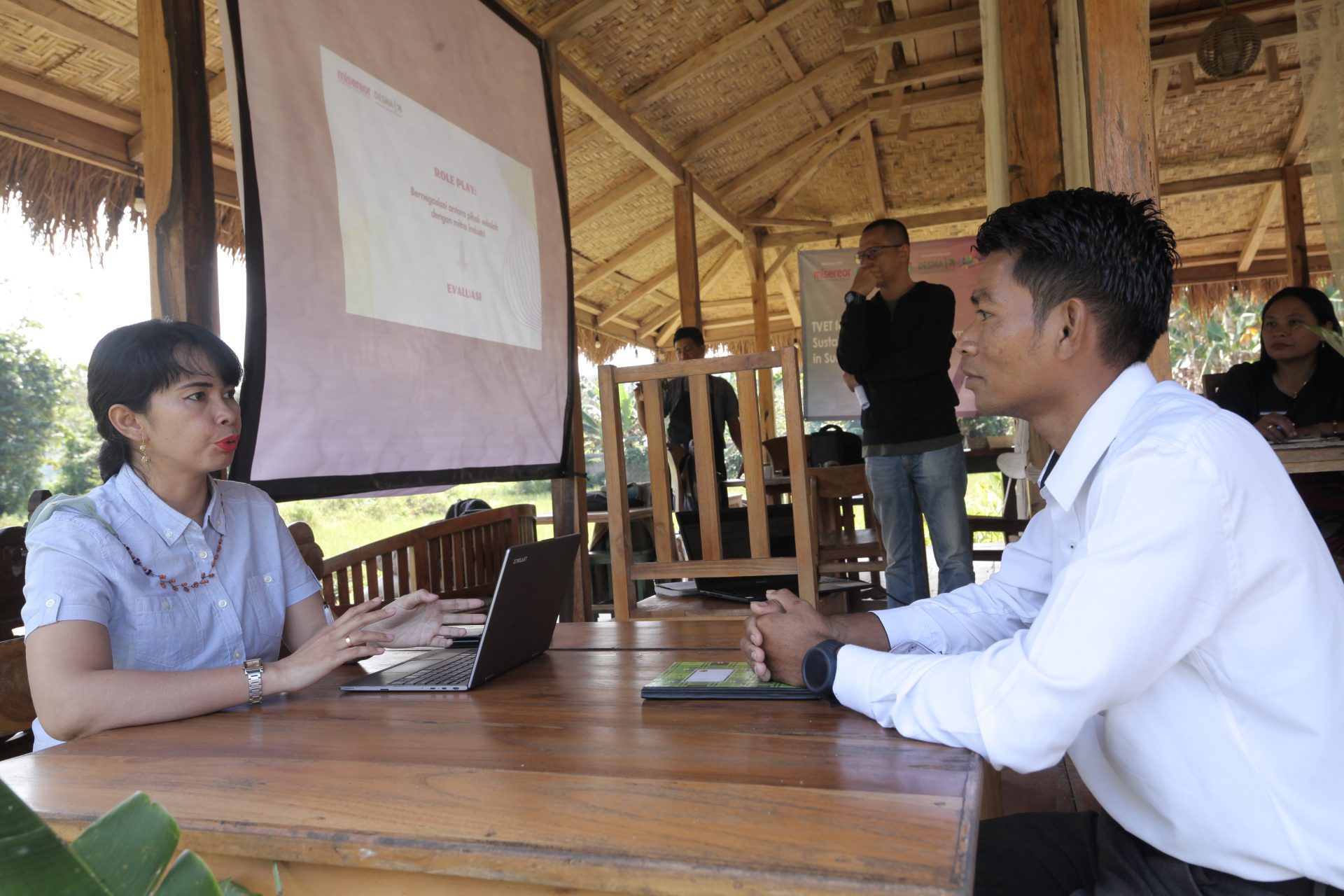
Pada sesi ketiga, peserta bermain peran (role play) melatih disiplin ketika dipercayakan sekolah untuk menjalin kerja sama dan kemitraan dengan industri. Dengan adanya workshop ini dapat menjadi dasar untuk sekolah mengembangkan kemampuan bernegosiasi.
Seri Workshop Mengembangkan Kemampuan Bernegosiasi dan Membangun Kemitraan Antara SMK dan Dunia Industri menjadi bagian dari Program TVET for Sustainable Tourism Development in Sumba yang diimplementasi oleh DESMA Center.
_____________
Program TVET for Sustainable Tourism Development in Sumba didukung oleh MISEREOR/KZE; diimplementasi oleh DESMA Center. Penguatan Kapasitas SDM Pariwisata ini bertujuan mewujudkan “Program pendidikan sekolah kejuruan pariwisata di Sumba agar memenuhi kebutuhan dan persyaratan industri pariwisata, sehingga menawarkan kesempatan kerja yang lebih baik bagi kaum muda serta mendukung pariwisata berkelanjutan di Sumba.”
Program ini meliputi penguatan (1) Kapasitas manajemen sekolah kejuruan pariwisata yang sejalan dengan kurikulum merdeka serta konsep pariwisata berkelanjutan; (2) Kapasitas guru dalam pengetahuan pedagogi, tentang pengajaran dan pariwisata berkelanjutan (3) Kemitraan SMK Pariwisata-Industri Pariwisata; dan (4) Kapasitas kewirausahaan siswa dalam penciptaan bisnis pariwisata berkelanjutan.
Penerima manfaat langsung program ini adalah (1) SMK Pancasila – Tambolaka, Sumba Barat Daya; (2) SMK Negeri 2 Kota Tambolaka, Sumba Barat Daya; (3) SMK Bakti Luhur – Tambolaka, Sumba Barat Daya; (4) SMK Efata - Omba Rade, Sumba Barat Daya; dan (5) SMK Negeri 1 Waikabubak, Sumba Barat. Mitra langsung program ini adalah (1) Dinas Pendidikan & Kebudayaan Provinsi Nusa Tenggara Timur; (2) Pemerintah Kabupaten Sumba Barat Daya; (3) Pemerintah Kabupaten Sumba Barat; (4) Dinas Pariwisata Kabupaten Sumba Barat Daya; dan (5) Dinas Pariwisata Kabupaten Sumba Barat.